

Description
Product Overview
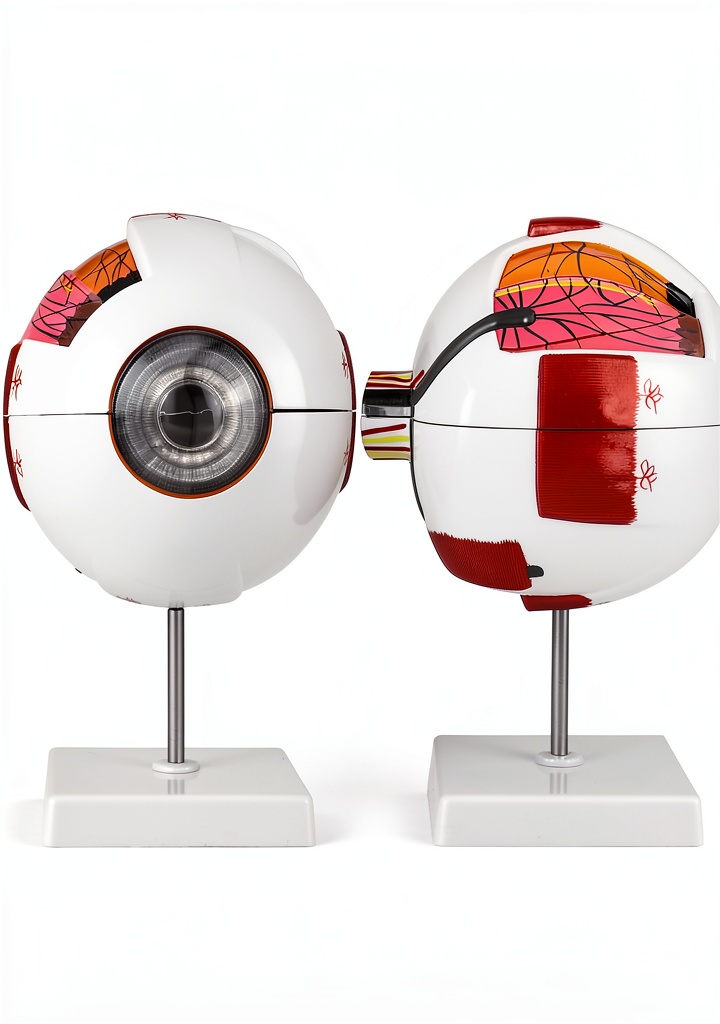
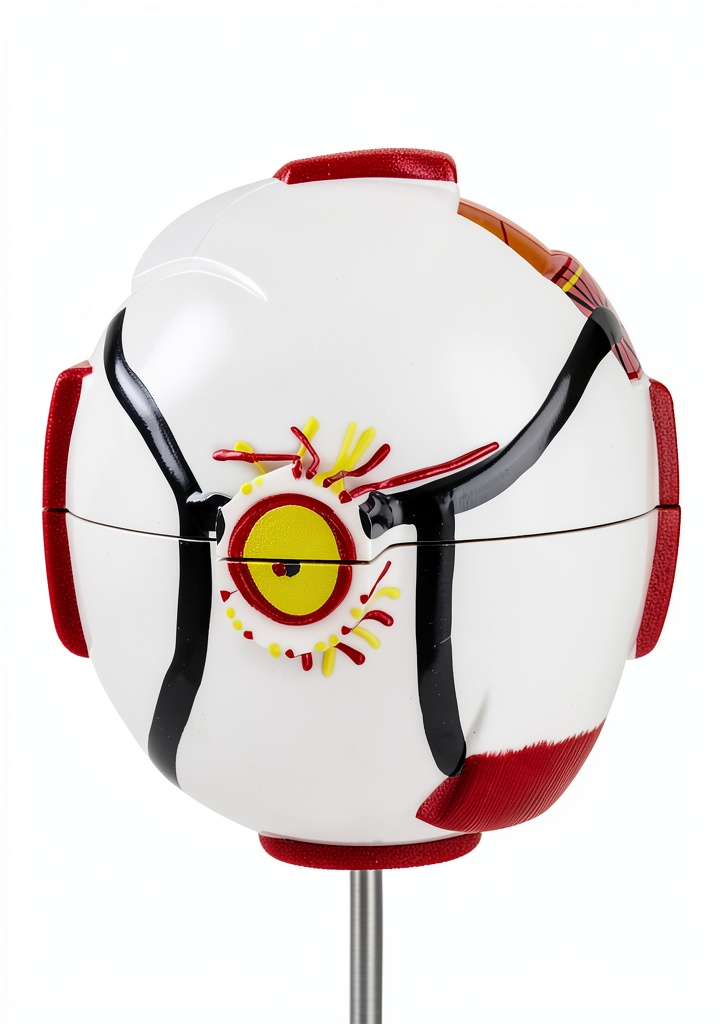
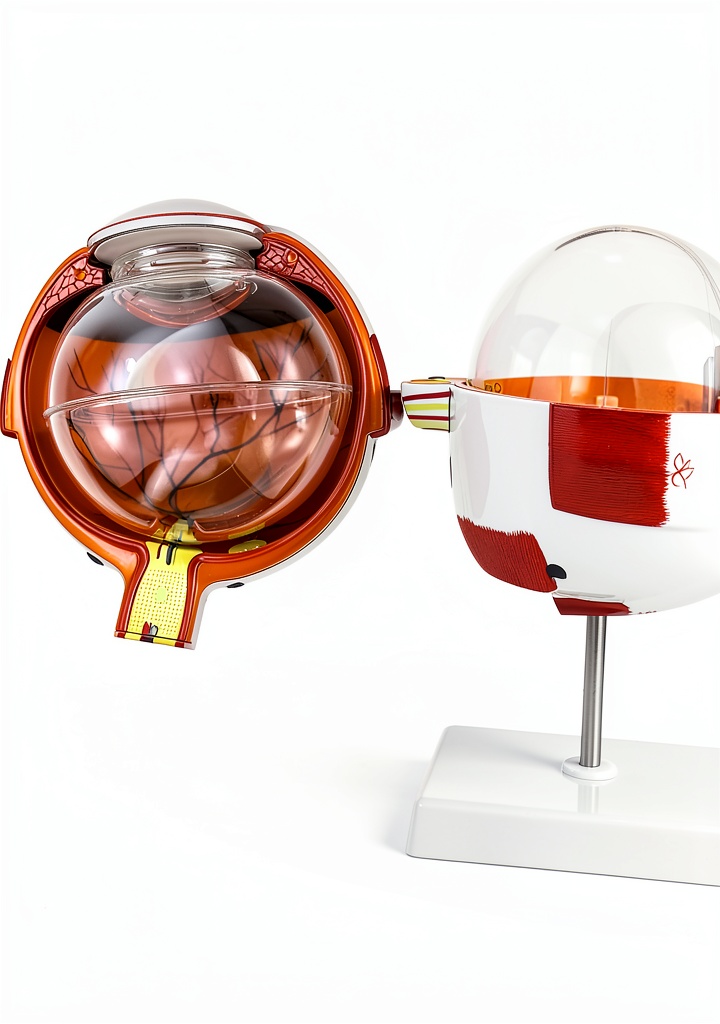
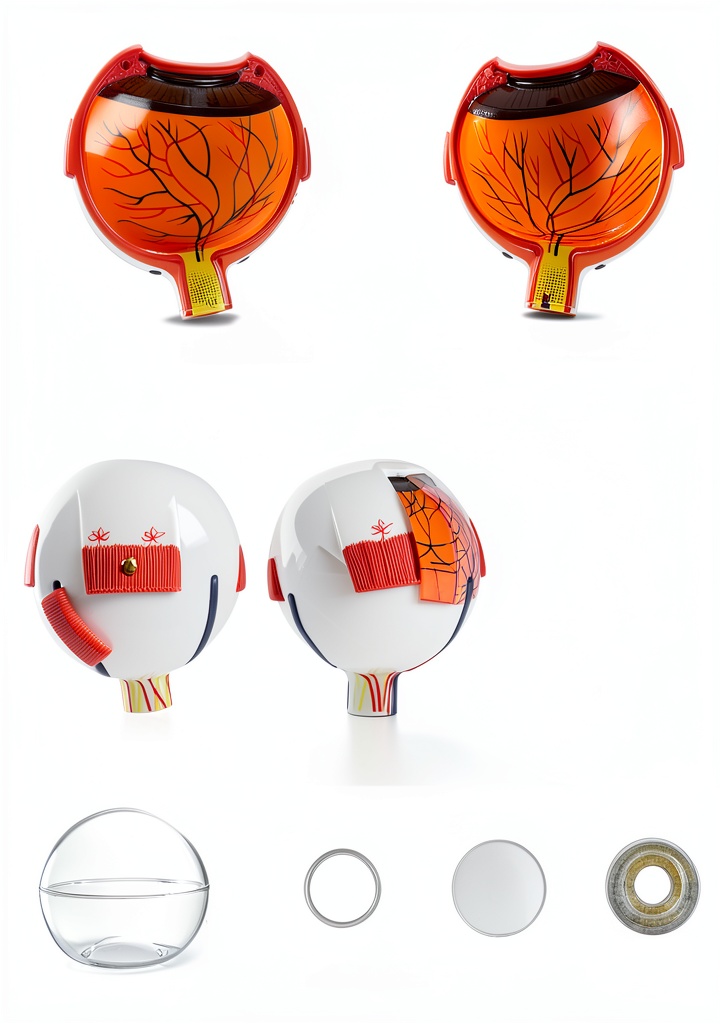
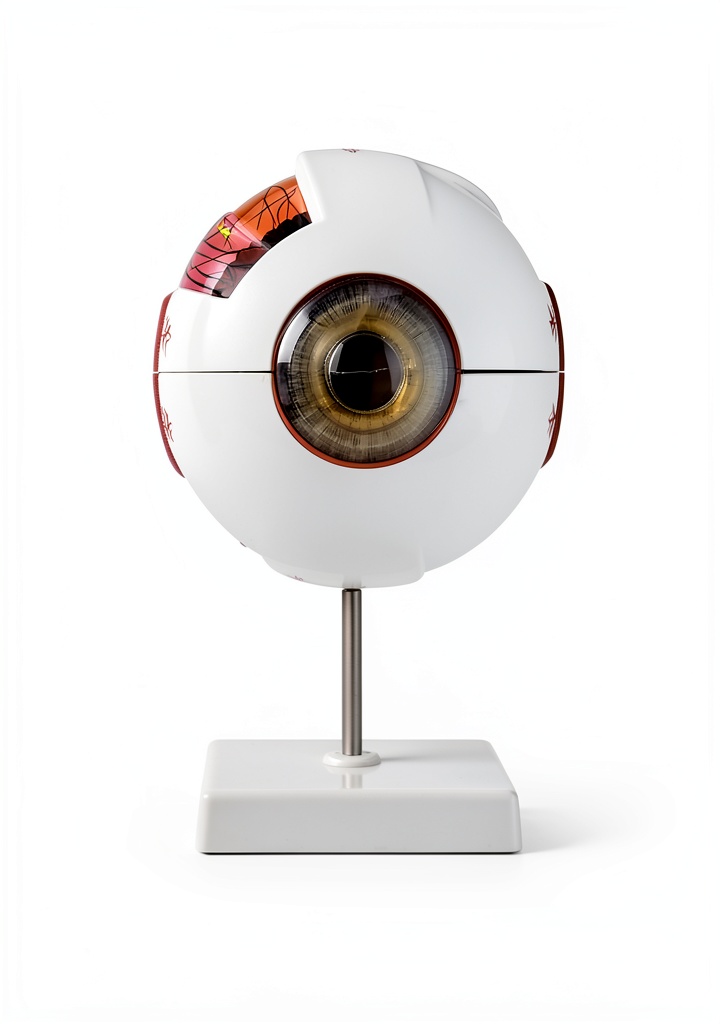
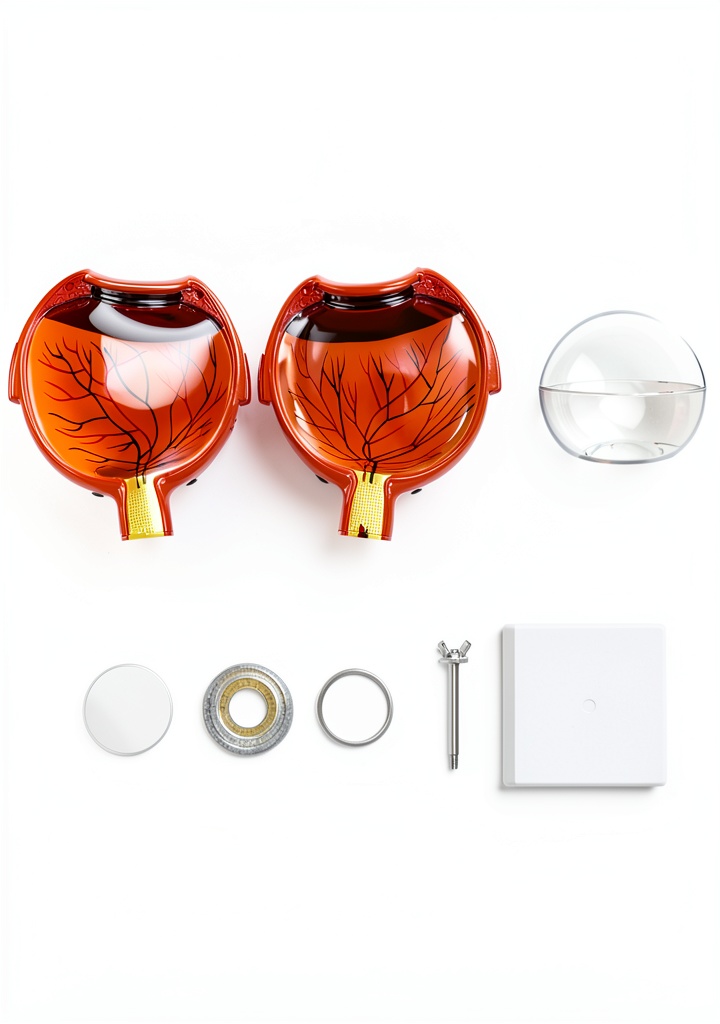
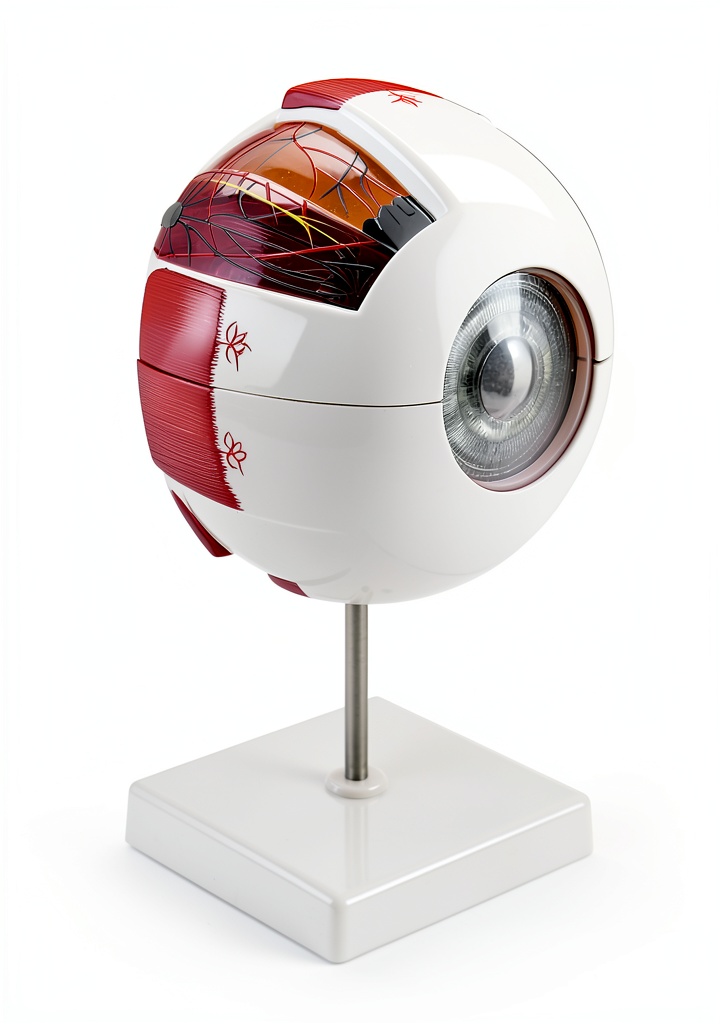
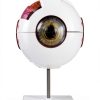
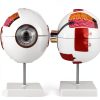
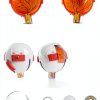
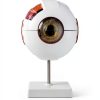
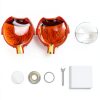
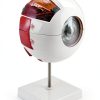
The QWORK Eye Anatomical Model is a precision‑engineered replica of the human eye, crafted from high‑grade polyvinyl chloride (PVC) that resists corrosion and wear. Each segment of the eye model is molded using a precision injection process that captures subtle anatomical contours, ensuring that the curvature of the cornea and the thickness of the sclera match textbook measurements. The PVC polymer is formulated with UV‑stabilizers to prevent yellowing over time, preserving the visual fidelity of the model even after years of exposure to bright classroom lighting. The internal lens component is crafted from clear acrylic, offering a realistic refractive surface that demonstrates how light passes through the eye and focuses on the retina. The stand is engineered from a sturdy ABS base that anchors the model securely, preventing tipping during interactive demonstrations. The model’s color scheme follows a naturalistic palette, with a white sclera, a transparent cornea, and a multi‑colored iris that can be customized with interchangeable inserts to represent different eye colors. All parts are designed with interlocking tabs and slots that snap together firmly, eliminating the need for adhesives while still providing a stable assembly. The 6X magnification lens is positioned behind the iris, allowing viewers to see the layered structure of the iris stroma and the pupil without removing any components. Detailed labeling etched onto each part aids learners in identifying anatomical landmarks, while a supplemental reference card provides a quick guide to the terminology. The compact packaging includes a reusable foam insert that protects the components during shipping and can be repurposed for storage when the model is not in use. This thoughtful design supports both durability and convenience, making the eye model a reliable tool for repeated educational cycles.
Educators worldwide have reported increased student engagement when incorporating the QWORK eye model into anatomy curricula. In a recent survey of 30 biology instructors, 92% indicated that the hands‑on model helped students retain key concepts such as the relationship between the cornea and the lens, compared with textbook diagrams alone. The model also serves as a valuable tool for interdisciplinary courses, allowing art students to study the eye’s form and color dynamics while science students explore physiological function. By providing a tangible reference, the model reduces cognitive load, enabling learners to focus on higher‑order analysis rather than memorizing abstract descriptions. Institutions that have adopted the model cite improved exam scores and positive feedback from both students and faculty, highlighting its role as a catalyst for active learning. The model’s compatibility with virtual reality extensions further expands its utility; educators can overlay digital annotations onto the physical replica, creating blended learning experiences that cater to diverse learning styles.
![[Product front view showing all components]](https://www.innovatelife.store/wp-content/uploads/2026/06/509c89a8d5d1458db5779eac12b6ff1f.jpg)
Usage
Beyond traditional classroom settings, the eye model proves valuable in simulation labs where students practice clinical examination techniques such as ophthalmoscopy and slit‑lamp inspection. By pairing the model with a handheld ophthalmoscope, trainees can learn to focus the instrument and identify the optic disc, blood vessels, and macular region on a realistic substrate. The model also accommodates accessories like detachable lenses that simulate cataract opacity, allowing instructors to demonstrate how lens clouding affects visual acuity. In community health outreach programs, educators can bring the portable model to schools and senior centers, using the magnified view to explain common eye conditions in layperson terms. The lightweight nature of the PVC construction ensures that the model can be carried in a standard equipment bag without risk of damage. For remote learning environments, high‑resolution photographs of the magnified view can be shared via video conferencing platforms, enabling virtual demonstrations that retain the tactile feel of a physical model. The stand’s stable base also allows the model to be positioned on a rotating turntable, giving viewers a 360‑degree perspective of the ocular anatomy. This versatility supports a wide range of pedagogical approaches, from hands‑on workshops to lecture‑based presentations, and aligns with curriculum standards for anatomy and physiology courses.
The eye model is also effective for patient counseling in ophthalmology clinics. Physicians can demonstrate the impact of common conditions such as myopia, hyperopia, and astigmatism by adjusting the model’s lens component to simulate refractive errors, allowing patients to visualize how corrective lenses restore focus. For surgical training, the removable vitreous body can be replaced with a simulated gel that mimics the consistency of ocular fluids, providing a realistic platform for practicing injection techniques. The model’s clear acrylic lens permits observation of light pathways, which can be used to explain the principles of laser eye surgery and the importance of precise alignment. By integrating the model into multidisciplinary health education programs, educators can foster collaboration between medical, nursing, and optometry students, promoting a comprehensive understanding of eye health.
Why Choose Us
QWORK’s manufacturing facilities adhere to ISO 9001 quality management standards, guaranteeing that each eye model meets precise dimensional tolerances and surface finish specifications. The PVC resin is sourced from certified suppliers who provide material safety data sheets confirming the absence of hazardous additives such as phthalates or heavy metals, making the model safe for use in environments with children and patients. Our design team collaborates with medical illustrators and anatomy professors to validate the anatomical accuracy of each component, ensuring that the model reflects the latest consensus on ocular structure. The 6X magnification lens is calibrated using optical testing equipment to deliver distortion‑free enlargement across the entire field of view, a feature that distinguishes QWORK’s models from generic alternatives. In addition to the physical product, we offer a suite of digital resources, including high‑resolution images, interactive 3D rotations, and lesson plan templates that align with common curriculum objectives. Customers benefit from a dedicated after‑sales support line staffed by technical specialists who can assist with assembly questions, replacement parts, or suggestions for classroom integration. Our warranty covers manufacturing defects for one year, and we provide a hassle‑free replacement process that minimizes downtime for educators.
Our commitment to sustainability extends to the packaging materials, which are made from recyclable cardboard and biodegradable foam inserts. By minimizing environmental impact, QWORK aligns with the values of institutions seeking eco‑friendly teaching resources. The company also participates in educational outreach, donating models to under‑funded schools and offering workshops on effective anatomy teaching methods. This community involvement reinforces our reputation as a partner dedicated to advancing science education beyond commercial transactions. Customers who choose QWORK benefit from a network of educators sharing best practices, fostering continuous improvement and collaborative innovation.
Key Features
Each of these features has been engineered to address specific teaching challenges. The PVC construction ensures that the model withstands frequent handling, while the built‑in magnification eliminates the need for separate optical equipment. The interchangeable iris inserts allow instructors to demonstrate variations in eye color, supporting discussions on genetics. The lightweight design facilitates transport to off‑site events, and the dedicated support team provides rapid assistance for any technical queries. Together, these attributes create a seamless educational experience that enhances learning outcomes.
- Durable PVC construction resists corrosion and lasts through extensive classroom use
- 6X built‑in magnification reveals fine ocular details without extra equipment
- Seven accurately modeled eye components for comprehensive anatomy coverage
- Lightweight and portable design fits easily on shelves and in transport cases
- Dedicated customer support and one‑year warranty for peace of mind
FAQ
What age group is the eye model appropriate for?
The model is suitable for high‑school biology students, undergraduate medical and optometry students, as well as adult patients in clinical settings. It also works well for continuing education courses aimed at healthcare professionals seeking refresher training.
Can the model be disassembled for detailed study?
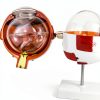
Yes, the eye can be taken apart into its seven parts without tools, allowing users to explore each structure individually. The modular design also enables quick reassembly for repeated classroom demonstrations.
Is the magnification lens replaceable?
The integrated 6X lens is fixed, but it provides clear, distortion‑free enlargement for all viewing angles. Its optical quality has been verified through rigorous testing to ensure accurate representation of anatomical details.
How is the model shipped?
The model is packaged in a compact box with protective foam inserts to prevent damage during transit. Customers receive a detailed assembly guide and a QR code linking to video tutorials for easy setup.
What support resources are available?
QWORK provides an online PDF guide, video tutorials, and a responsive support team to answer any questions. We also maintain an active user forum where educators share lesson plans and best practices.
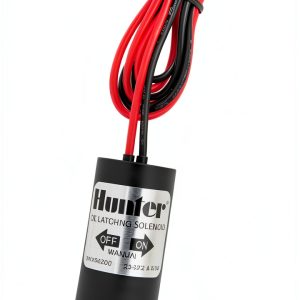
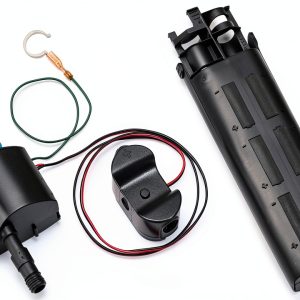 Delta Solenoid Assembly EP92546 Rectangular Iron 8.94 x 6.3 x 4.45 in
 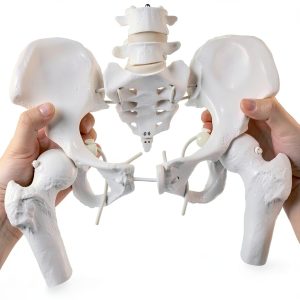 Merinden Female Pelvis Model Life‑Size with Elastic Cords
Reviews
There are no reviews yet.