




Description
Product Overview
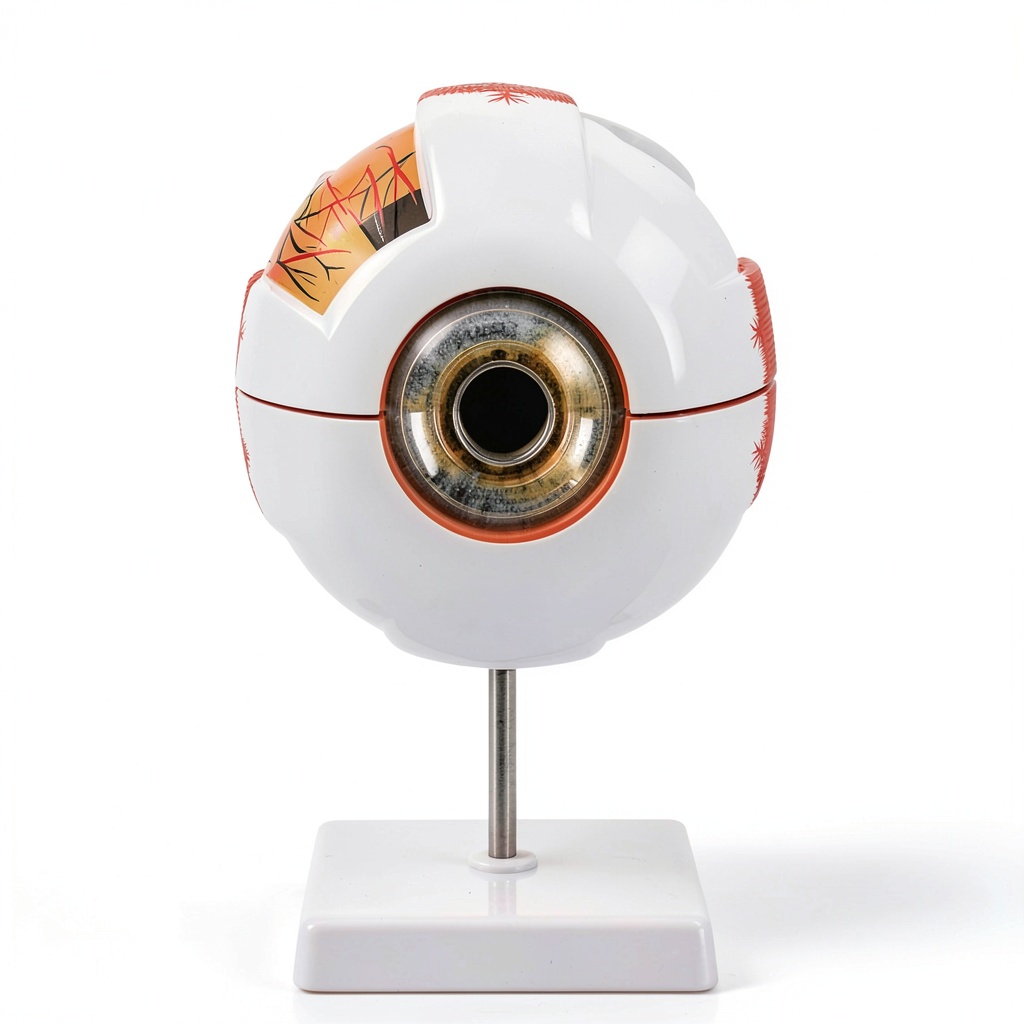
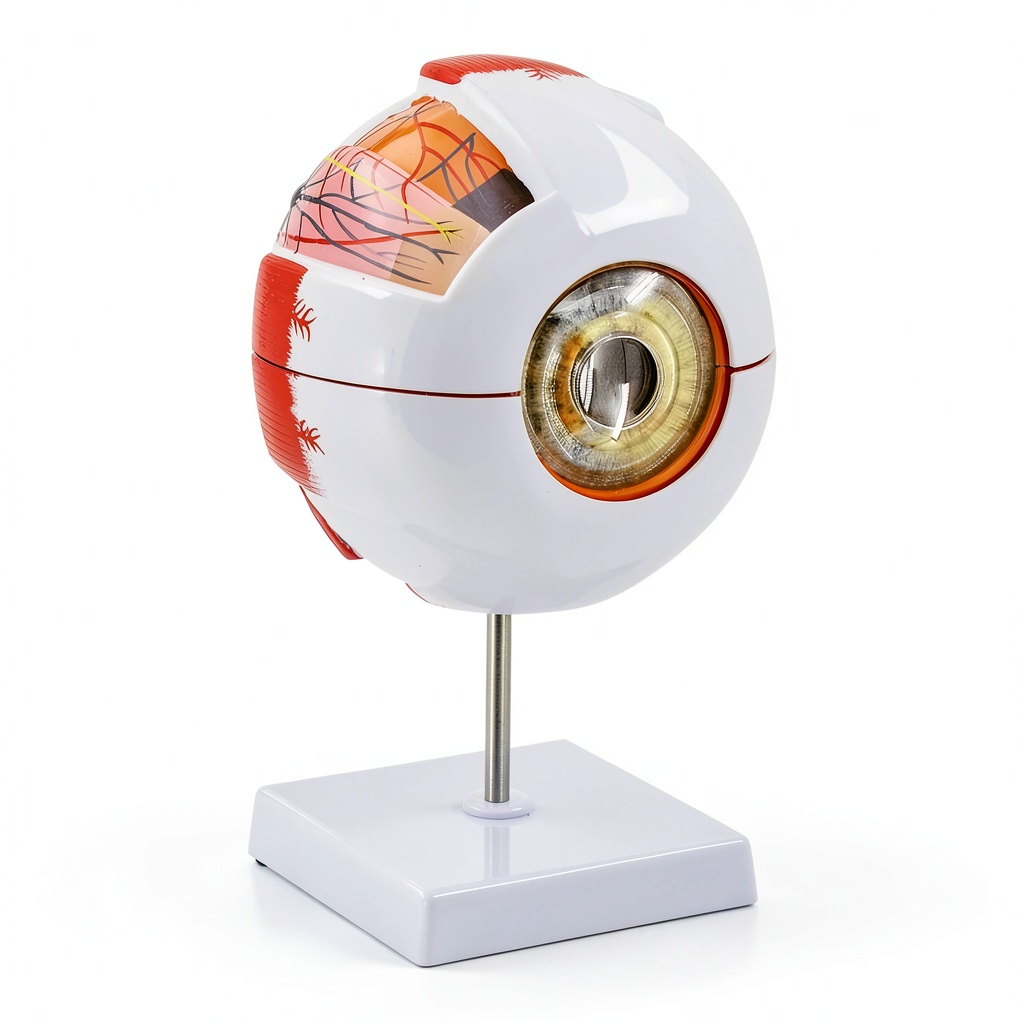
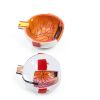
The Wadoy 6Xeyemodel eye anatomy model is engineered to provide an accurate visual representation of the human eye, making complex ocular anatomy accessible to students, educators, and healthcare professionals. Crafted from high‑quality, non‑toxic PVC, the model balances durability with a lightweight feel, allowing easy handling during interactive lessons. Each component is meticulously shaped to reflect the true proportions and textures of ocular structures, from the transparent cornea to the richly pigmented iris.
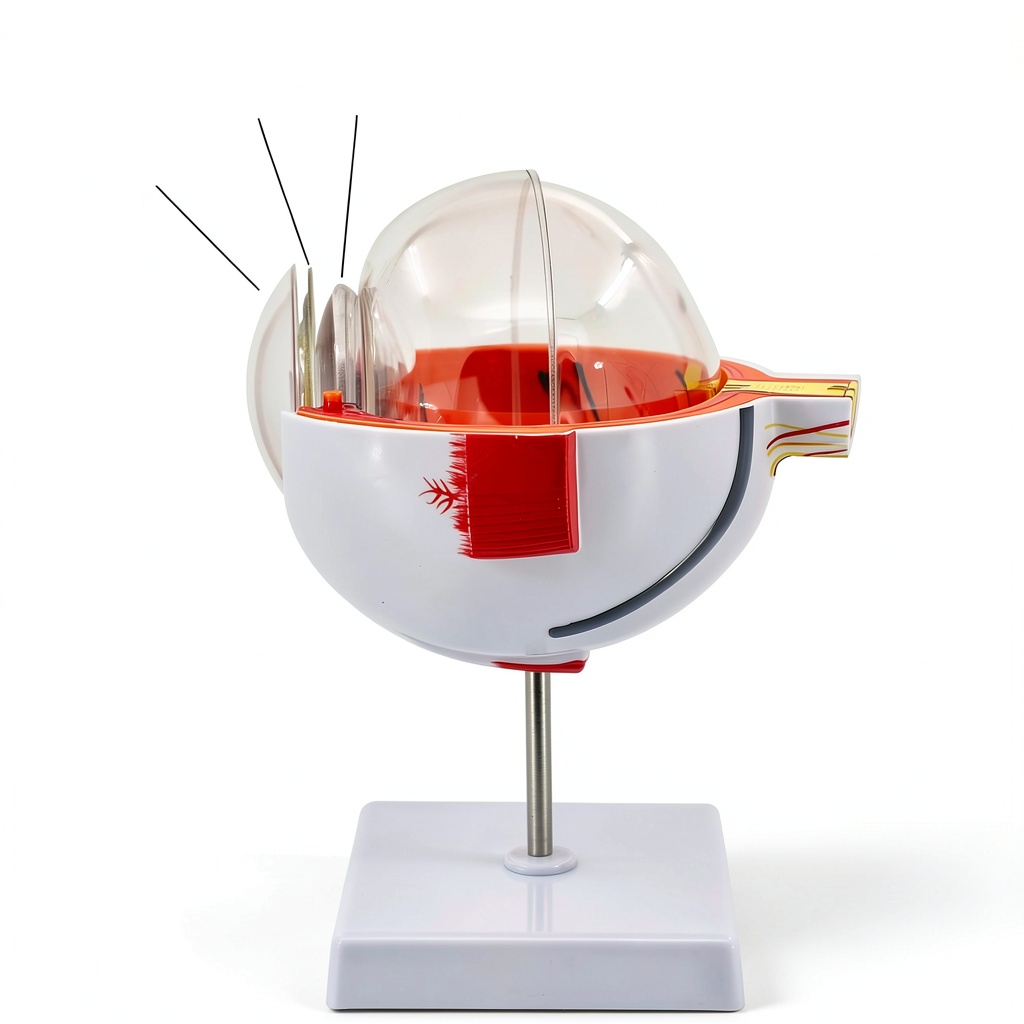
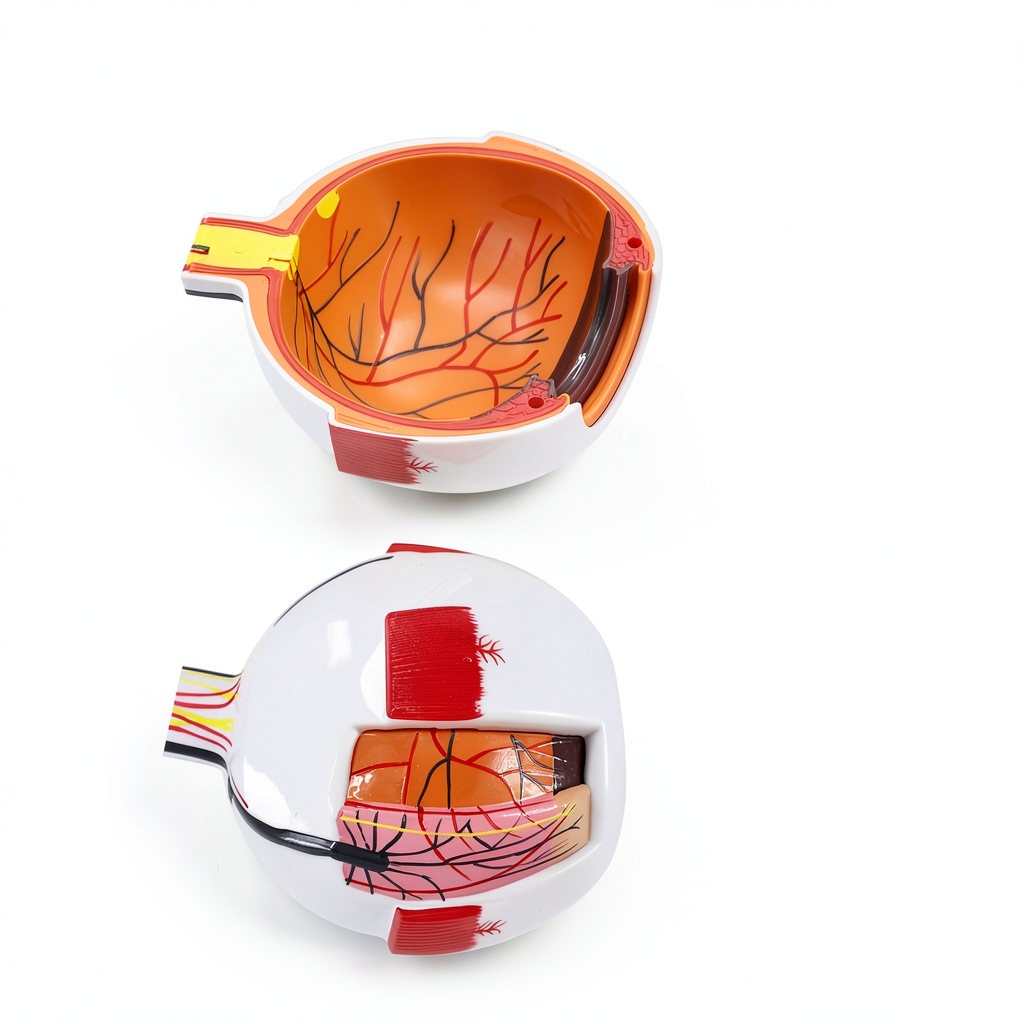
Seven distinct parts compose the model: the upper and lower scleral shells, the clear cornea, the colored iris, the convex lens, the gelatinous vitreous body, and a sturdy stand for display. The detachable design encourages hands‑on exploration, letting users assemble and disassemble the eye to observe how each layer fits together. This modular approach reinforces learning by linking visual cues with tactile experience, a method proven to improve retention in both classroom and clinical settings.
Dimensions of the assembled model measure approximately 7.5 inches in height, 6.4 inches in width, and 6.3 inches in depth, while the individual parts are proportionally scaled to maintain realism. Weighing just 1.41 pounds, the model is portable enough for field demonstrations yet substantial enough to convey a sense of authenticity. The stand provides a stable base, ensuring the model remains upright during presentations, and can be easily stored when not in use.
Beyond its physical attributes, the model incorporates educational value through color‑coded labeling and clear anatomical markings. The iris is rendered in a natural hue, while the lens and vitreous are transparent, allowing observers to trace the path of light through the eye. This visual clarity supports discussions on refraction, focusing, and common ocular disorders, bridging the gap between theory and practice.
Wadoy has prioritized safety and environmental responsibility in the manufacturing process. The PVC material is free from harmful chemicals, making the model suitable for use in schools and laboratories without concerns about toxicity. Its resistance to corrosion ensures longevity, even with frequent handling, and the smooth surface simplifies cleaning after use.
Packaging includes a compact, recyclable box that houses all seven components securely, accompanied by a concise instruction guide. The guide outlines step‑by‑step assembly, highlights key anatomical features, and suggests classroom activities to maximize engagement. This thoughtful presentation reduces setup time, allowing educators to focus on delivering content rather than preparing equipment.
Overall, the Wadoy eye anatomy model stands out as a versatile teaching aid that combines scientific accuracy with user‑friendly design. Whether employed in a high‑school biology class, a university ophthalmology course, or a patient education session, the model delivers clear, impactful visual support that enhances comprehension of eye anatomy and function.
![[Product front view showing all components]](https://www.innovatelife.store/wp-content/uploads/2026/06/688922ee449f49149796d1ad9c8a5491.jpg)
Usage
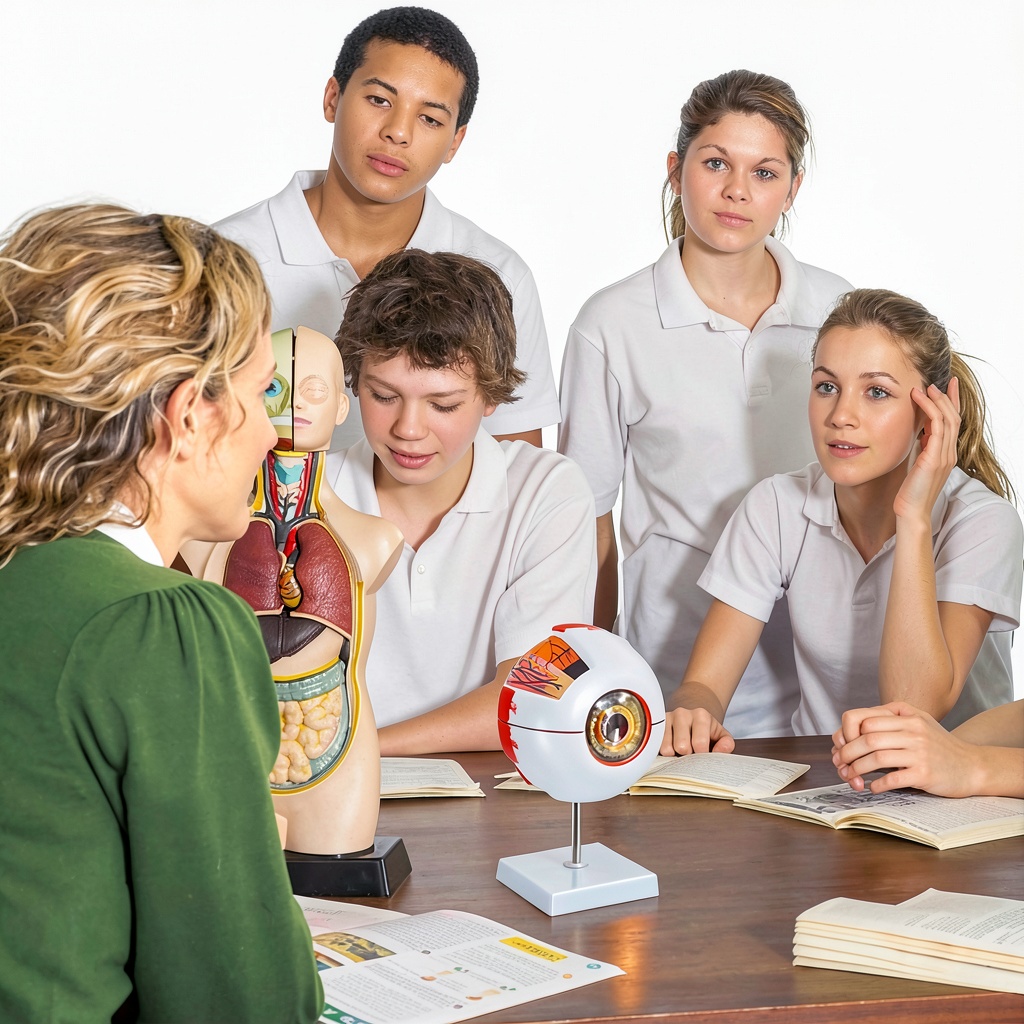
In classroom environments, the model serves as a central visual tool during lectures on ocular anatomy, allowing instructors to demonstrate the spatial relationships between structures in real time. Students can physically manipulate the parts, fostering active learning and encouraging questions about how each component contributes to vision.
Medical training programs benefit from the model’s realistic representation when teaching diagnostic techniques, such as slit‑lamp examination or fundus photography. Trainees can practice identifying anatomical landmarks, improving their ability to recognize normal versus pathological findings in a risk‑free setting.
Patient education sessions leverage the model to explain eye conditions like cataracts, glaucoma, or retinal detachment. By showing patients the exact location and nature of their ailment, healthcare providers can enhance understanding, reduce anxiety, and improve adherence to treatment plans.
Therapists and rehabilitation specialists use the model to illustrate visual pathways during vision therapy, helping clients grasp the mechanics of eye movements and focusing exercises. The tactile nature of the model supports kinesthetic learners who benefit from hands‑on interaction.
Home study enthusiasts and homeschooling families find the model an engaging supplement to textbooks, offering a concrete reference that brings abstract concepts to life. The model’s durability ensures it can withstand frequent use by curious learners of all ages.
Research laboratories may incorporate the model as a reference point when designing experiments involving ocular simulations or when calibrating imaging equipment. Its precise dimensions and material properties provide a reliable standard for comparative analysis.
Why Choose Us
Wadoy has established a reputation for delivering high‑quality educational tools that meet rigorous standards of accuracy and safety. Each eye anatomy model undergoes strict quality control inspections to verify dimensional fidelity, material integrity, and color consistency, ensuring that every unit meets the expectations of educators and clinicians alike.
The choice of non‑toxic PVC reflects Wadoy’s commitment to environmental stewardship and user safety. This material is both lightweight and robust, resisting cracks and deformation even after repeated assembly cycles. Its smooth finish also simplifies cleaning, maintaining a hygienic surface for shared classroom use.
Design simplicity is a hallmark of the model, with intuitive snap‑fit connections that allow quick assembly without tools. This feature reduces preparation time for instructors and enables spontaneous demonstrations, fostering a dynamic learning environment.
Customer support is a core component of Wadoy’s service philosophy. Buyers receive responsive assistance for any pre‑sale inquiries, and the company offers a comprehensive after‑sales warranty that covers manufacturing defects, reinforcing confidence in the product’s longevity.
Feedback from over 200 satisfied customers, reflected in a 4.5‑star rating, highlights the model’s effectiveness in enhancing educational outcomes. Wadoy continuously incorporates user suggestions into product improvements, ensuring that each new iteration better serves the needs of the teaching community.
By choosing the Wadoy eye anatomy model, educators invest in a tool that combines scientific precision with practical usability, delivering lasting value across diverse instructional settings.
Key Features
- Seven detachable, accurately colored parts provide a complete, hands‑on view of eye anatomy for deeper learning.
- Made from non‑toxic, lightweight PVC that is safe for classroom use and resistant to wear.
- Realistic dimensions and transparent components illustrate light pathways and structural relationships.
- Easy snap‑fit assembly allows quick setup and disassembly without tools, saving instructional time.
- Dedicated customer support and warranty ensure reliable after‑sales service and peace of mind.
FAQ
What age group is the eye anatomy model suitable for?
The model is designed for learners aged 12 and up, making it ideal for high‑school biology classes, undergraduate courses, and professional medical training. Younger students can also benefit under adult supervision.
Can the model be used to demonstrate eye diseases?
Yes, the detachable parts allow instructors to illustrate common conditions such as cataracts (by adding a cloudy lens) or glaucoma (by highlighting the drainage angle). Supplemental teaching guides provide examples for each condition.
How durable is the PVC material with frequent handling?
The PVC used is engineered to resist cracking and deformation. Even with regular assembly and disassembly, the components maintain their shape and color, ensuring a long service life in busy educational environments.
What is included in the packaging?
The box contains all seven eye components, a sturdy display stand, an instruction manual with assembly steps and activity ideas, and a recycling‑friendly packaging material to protect the parts during shipping.
Is there a warranty or support if the model arrives damaged?
Wadoy provides a one‑year warranty covering manufacturing defects. If any part arrives damaged, contact customer service for a replacement or refund, and the support team will assist promptly.

 Pirate Adventure Kids eBook by XYZ Publishing Kindle Edition
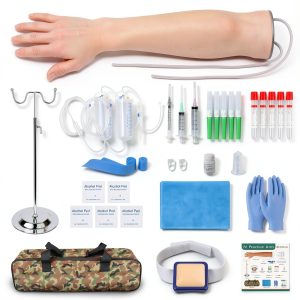
 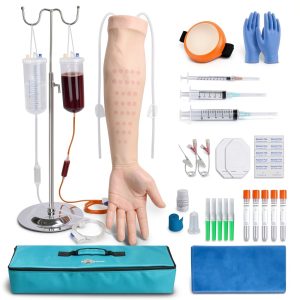 IV Injection Simulator MedEduQuest MEQ02015 Realistic Skin Portable
Reviews
There are no reviews yet.